Why a Web Version of Phantom Could Be the Breakthrough Solana Needs — and What to Watch
So I was thinking about wallets and UX the other day. Wow! The friction of desktop installs and Chrome-extension quirks has been a silent tax on Solana dapps for years. Medium-term, that tax matters a lot when you want broader adoption; long-term, it determines which ecosystems scale beyond early adopters and into mainstream apps that non-crypto people actually use. My instinct said a web-native Phantom could be huge, but then I dove in and some things felt off…
Okay, so check this out—making Phantom accessible as a pure web app changes the onboarding story. Really? Yes. It removes the extension-step barrier that trips up people who aren’t already familiar with wallets, and it nixes the whole “install, pin to browser, manage permissions” dance that many users bail on. On the other hand, moving from a browser extension to a web-hosted interface reshuffles the security surface area, and that’s where cautious thinking matters because users and builders both inherit new responsibilities.
Here’s the gut take before the fine print: easier access equals more users equals more dapps trying things. Whoa! But easier access also equals more vectors for social engineering and phishing, so product teams must pair convenience with smarter risk signals. Initially I thought that simply porting UX would be straightforward, but then I realized the trade-offs run deep—session management, private key custody models, and cross-tab behavior all behave differently on a stateless web front end than inside an extension that sits beside the page. Actually, wait—let me rephrase that: the problems are solvable, though they demand careful protocol + UX choices.
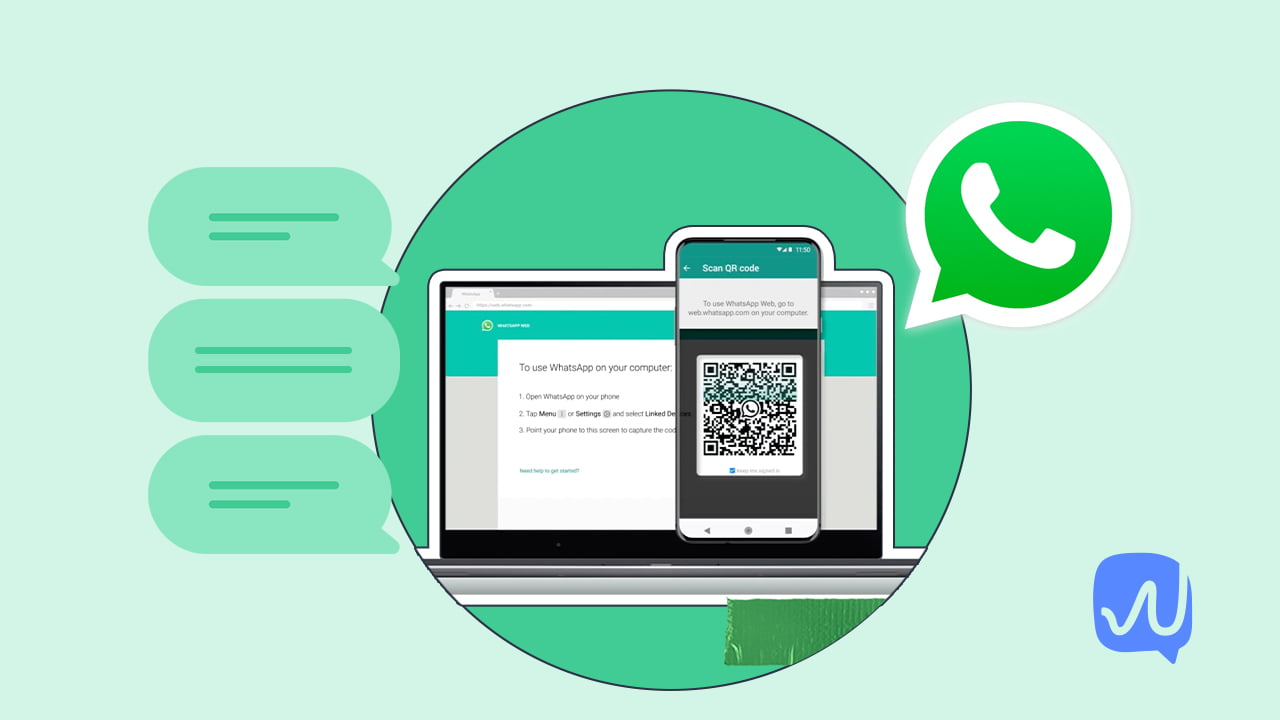
What a web Phantom really needs (beyond polish)
First, session semantics. Short sentence. Web sessions look like regular app sessions, but wallet sessions carry cryptographic authority and permanence that normal sessions don’t. Without a good model, you get accidental persistent keys, or friction where users reauthenticate every time and then rage-quit. My bias is toward ephemeral sessions with optional persistent vaults—give people the choice, with strong defaults, and make rekeying painless.
Second, linkability with dapps. Hmm… developers want a smooth handshake: connect, sign, proceed. This handshake must be explicit and auditable in the UI so users know when they’re granting spending capabilities versus just reading data. That clarity reduces scams. On one hand, an inline web wallet can show clearer contextual cues; on the other hand, a malicious embed can spoof things, though actually browser security policies and well-designed overlays mitigate that risk.
Third, staking flows. Staking SOL is a killer use case for retention—people who lock SOL can become more invested in the ecosystem (pun intended). Staking requires delegation UX, validator choices, fee transparency, and unbonding explanations. I’m biased, but Phantom’s web version should nudge users toward decentralization-friendly validators while explaining slashing risk simply. This part bugs me when wallets hide validator reputations or make staking feel magical and opaque.
Fourth, developer ergonomics. Solana dapps expect wallet providers to implement standard RPC hooks and event flows. The web wallet should implement the same provider APIs as the extension, or offer a compatibility layer that’s plug-and-play. Otherwise you get fragmentation and dev fatigue (and that kills vibrant dapp ecosystems). Somethin’ like a consistent provider API keeps dapps portable and reduces integration hair.
Security trade-offs and practical mitigations
Let me be blunt: a web wallet increases the attack surface compared to an isolated browser extension. Seriously? Yes. Web pages can manipulate DOM, overlay content, and trick users with subtle UI mimicry. But still—if you harden the signing UX, require explicit intent on high-value operations, and surface provenance data clearly, the risk narrows. One good approach is intent-based signing—request signing only after a clear, user-acknowledged intent flow, not via silent popups.
On the technical side, hardware-backed keys (WebAuthn / Ledger) remain gold-standard. Short. The web Phantom should support Ledger and WebAuthn flows seamlessly, and make it easy to migrate keys. Supporting these reduces reliance on hot keys and raises the bar for attackers. Also, cryptographic attestation of the wallet front-end (like subresource integrity + reproducible builds) can help, though adoption depends on developer and hosting discipline.
Another mitigation: heuristics and rate limiting for signing requests. Hmm. Builders can detect suspicious activity patterns (like repeated high-value signing attempts across sites) and throttle or require additional verification. Also, clear transaction previews that translate raw instructions into everyday language reduce user errors—”You are about to send 10 SOL to X” beats a sea of bytes. I’m not 100% sure every user will read it, but good design nudges matter.
And then there’s recovery UX. Recovery needs to be human-friendly without being insecure. Multi-device recovery, social recovery primitives, and seed phrase-less flows (delegated recovery contracts or guardians) are viable options. On one hand, seed phrases are proven; though actually, they are user-hostile at scale. A web Phantom can lead with device-based recovery backed by optional on-chain guardianship for higher balances.
Why builders should be excited
Better onboarding. Short. If users can go from clicking a dapp link to interacting in under 30 seconds, conversion skyrockets. For games, NFTs, and DeFi primitives, that timeframe matters. Building with a web-first wallet means shorter funnels and lower cognitive load for mobile-first users who don’t want to juggle multiple apps. There’s a real network effect here; the quicker you can onboard, the faster your product-market fit shapes the ecosystem.
Lower integration cost. Many teams can’t maintain a separate mobile SDK, a web SDK, and an extension SDK at once. A robust web Phantom that complies with standard provider interfaces and offers a small, well-documented SDK reduces support headaches and bug triage. On the other hand, dependency on a single web wallet increases concentration risk, so diversity still matters in the long run.
New UX experiments. Hmm… a web wallet opens the door to richer embedded tutorials, contextual walkthroughs, and interactive demos that were clunky inside an extension. You can load an onboarding flow, simulate small transactions, and then graduate people to real staking. The UX possibilities are exciting—friction can be replaced with education, not just frictionless clicks.
And if you want to try an implementation or prototype quickly, peek at the work some teams are shipping—there are early builds and playgrounds you can test with. If you want to see one approach in action, check the demo here for a feel of the flow that a web-first Phantom can deliver. That demo isn’t the whole picture, but it shows how onboarding can shrink and clarity can improve.
FAQ
Is a web wallet less secure than an extension?
Not necessarily. Short answer: it depends. With strong signing UX, hardware key support, and careful session policies, a web wallet can match or surpass extension security for many users. The critical difference is attack vectors—web pages have more influence—but mitigations exist and are practical.
Will staking be supported safely in a web Phantom?
Yes, staking works fine via a web interface. The key is transparency: show validators, explain rewards and unbonding, and surface fees and expected timelines. Combine that with optional advanced modes for power users, and you cover both simplicity and depth.
How should dapps adapt?
Dapps should detect provider capabilities gracefully, offer fallback flows, and design for episodic connections rather than permanent sessions. Also, implement clear messaging when a transaction requires elevated privileges. Small but meaningful UX signals reduce user confusion and prevent mistakes.
Okay, final thought—well, not final, but my closing mood has shifted from skeptical to cautiously optimistic. Initially I worried that web wallets would dilute security, but then I saw how modern key flows and UX nudges close the gap. There’s risk, yes, very real risk, but the upside for Solana dapps—faster onboarding, better retention, more experiments—is real and tangible. I’m biased toward pragmatic progress, and this feels like a step in that direction, even if it won’t solve everything overnight. Somethin’ to watch closely.


Post Comment